31 very practical water treatment knowledge points, each independent of the others. You can read and learn them based on your specific needs.
You must know these 31 super practical water treatment classics.
Friends often ask me which books they should read if they're working in the water treatment industry. The knowledge in books is often quite systematic, so not everything is applicable. Therefore, reading a book cover to cover might not be very efficient. The best approach is to make the most of fragmented time. Today, I've prepared 31 very practical water treatment knowledge points, each independent of the others. You can read and learn them based on your specific needs.
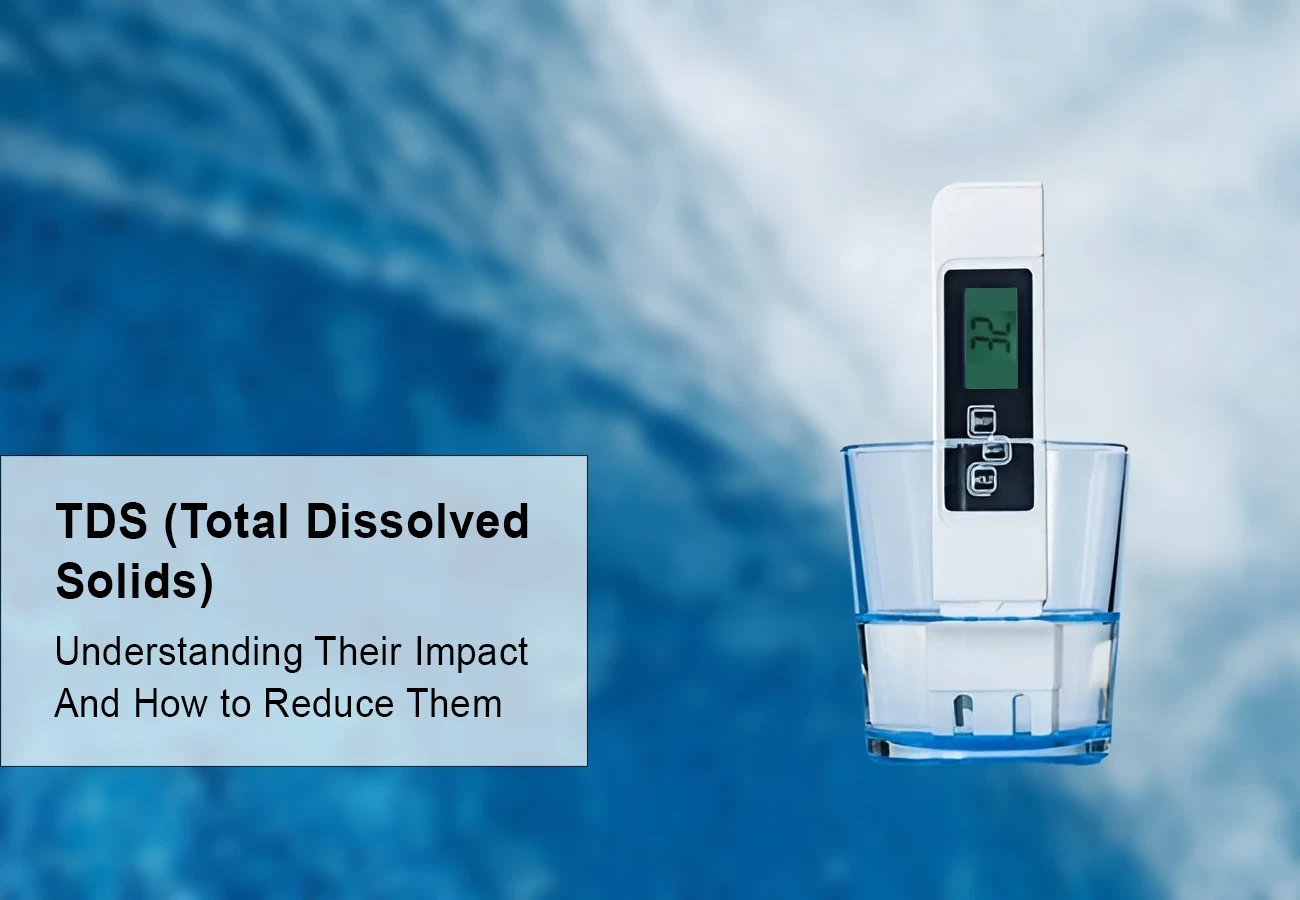
1. Basic Concepts in Water Treatment Systems: TDS, SDI, LSI, KSPTDS: Total Dissolved Solids (generally similar to mineralization). SDI: Pollution Index, a measure of system pretreatment effectiveness. An SDI < 6.7 is recommended. For deep well water, reverse osmosis systems require an influent SDI < 5. LSI: Langelier Saturation Index. The Langelier index measures the scaling tendency of a reverse osmosis system. An LSI of 0 indicates no scaling or corrosion; an LSI greater than 0 indicates scaling; and an LSI less than 0 indicates corrosion. For reverse osmosis systems, the LSI value is required to be no greater than 0. The system's LSI value can be lowered by adding acid or reducing the system's water recovery rate. Ksp: Solubility equilibrium constant. Reverse osmosis units selectively permeate solvents and solutes in the raw water. The reduction in solvent concentration in the concentrate leads to concentration in the concentrate. When the dissolved solids in the concentrate become concentrated (the product of their concentrations exceeds the solubility equilibrium constant), they crystallize and precipitate, causing damage to the reverse osmosis unit. The solubility equilibrium constant can be increased by adding scale inhibitors, which increase the solubility of dissolved solids.
 2. How can the LSI be effectively controlled?
To effectively control the system's LSI, the following methods can be used:
1) Reducing the system's water recovery rate can reduce the system's LSI.
2) The system LSI index can be lowered by adding acid.
3) The solubility of dissolved salts in the system can be increased by adding appropriate chemicals, such as TRISPE 1000 scale inhibitor.
4) The easily structuring ions in the water can be reduced or pre-removed, such as by softening the system inlet water with a softening column.
3. What are the pretreatment equipment?
Pretreatment equipment includes: mechanical filters, high-efficiency fiber filters, activated carbon filters, precision filters, ultrafiltration, microfiltration, sodium ion softeners, iron and manganese removal filters, dosing units, raw water tanks, and aeration tanks.
4. What are the pre-desalting equipment? Pre-desalting equipment includes electrodialysis units and reverse osmosis units.
5. What are the deep desalting equipment?
Deep desalting equipment includes anion exchangers, cation exchangers, mixed ion exchangers, distillation units, and EDI units.
6. How do you select a mechanical filter? What is its working principle?
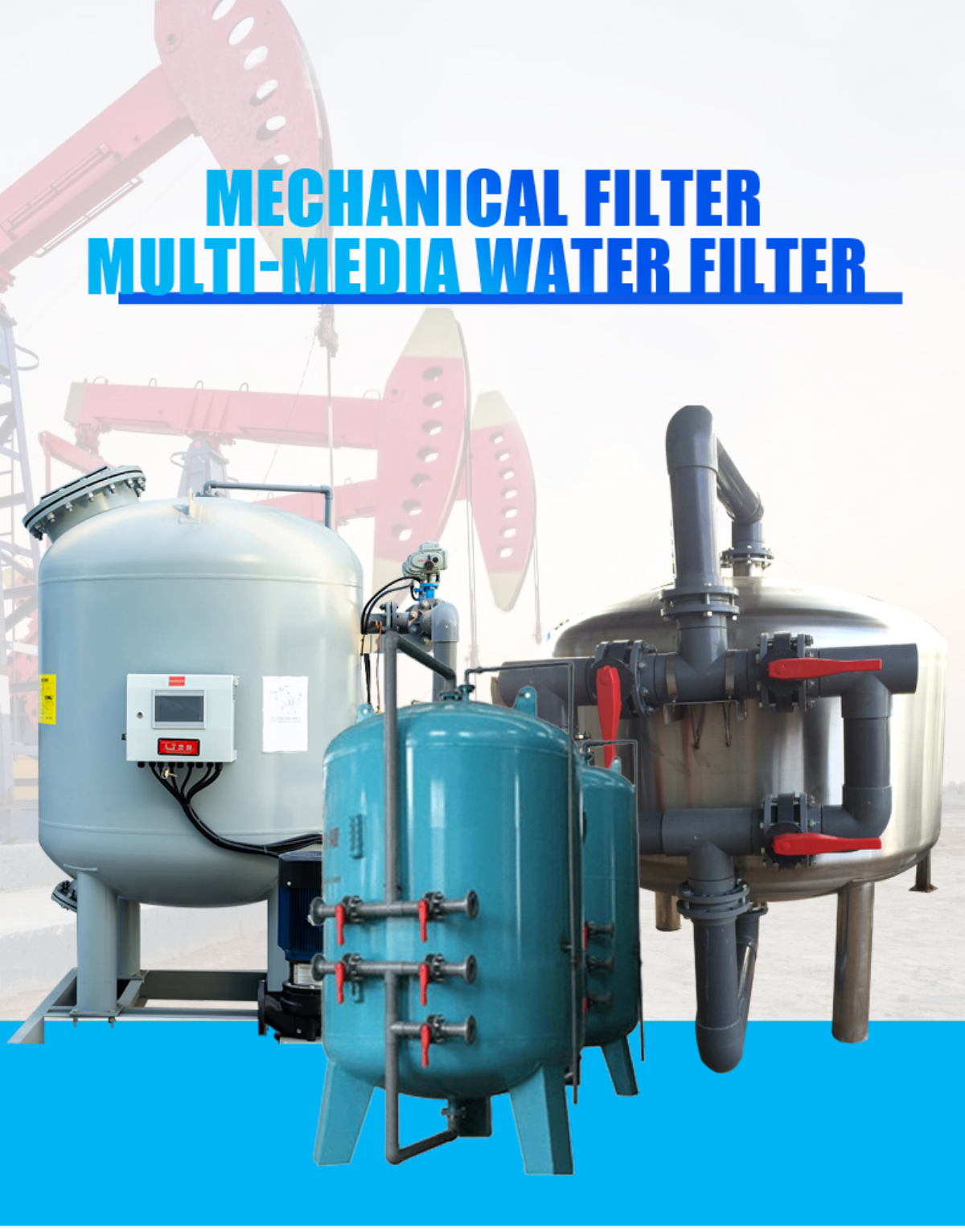
Mechanical filters are selected based on the total system water volume, determining their size and configuration. (If one mechanical filter is insufficient, multiple filters can be used in parallel, with a spare capacity available.) The filler within the filter is composed of refined quartz sand of varying particle sizes, arranged in descending order, resulting in a well-graded quartz sand. Initially, filters often experience poor filtration performance because they lack a "bridge" (a process known as "bridge"), a barrier formed by suspended matter in the water. This barrier intercepts particles of comparable size, then smaller particles, creating a reverse filtration process where large particles are intercepted first and smaller particles later. Once the "bridge" is established, filtration effectiveness is excellent. Over time, filtration accuracy improves, the barrier becomes thicker, and the pressure differential between the inlet and outlet increases. When the pressure differential reaches 1 kg/cm², the filter should be backwashed. During the backwash process, it's best to use compressed air to scrub the quartz sand. General engineering experience suggests that mechanical filters with a diameter less than 2500mm do not require compressed air; however, mechanical filters with a diameter greater than 2500mm must be scrubbed with compressed air to achieve satisfactory cleaning results. The backwash flow rate is generally 3-4 times the filter's design capacity.
7. How is a precision filter selected? What types of filter elements are there?
The selection of a precision filter is based on the total water inflow, and the diameter of the precision filter is selected based on the total water inflow. For a 40"5μm filter element, the water output per element is approximately 2m³/h. Filter element types include polypropylene, honeycomb, spray-melt, and pleated.
8. How is iron removed from water?
Iron in groundwater is generally ferrous iron, so it must be oxidized to ferric iron. This oxidation process is accomplished through aeration, where the aerator exposes the water to oxygen, resulting in natural oxidation. The aerated water then passes through an iron and manganese removal filter for iron removal. If the iron in the water is primarily ferric iron, aeration is not necessary and the water can be directly removed by the iron and manganese removal filter.
9. Why is a carbon dioxide removal device required after some water types pass through a cation exchanger?
The exchange of metal ions with H+ ions on the cation resin results in the incorporation of H+ ions into the water, resulting in a slightly acidic effluent from the cation exchanger. This converts most of the HCO₃- in the water into H₂CO₃, which in turn converts to CO₂ gas. Since CO₂ has a low solubility, it provides excellent conditions for degassing and also reduces the risk of catastrophic ... If degassing is not performed, H2CO3 will be exchanged with the anion exchange resin, increasing the burden on the anion exchanger and shortening the water production cycle of the anion exchanger. Usually, the carbon dioxide remover is placed after the cation exchanger and before the anion exchanger. It can also be placed before some pre-desalination systems such as reverse osmosis. However, in some places, a carbon dioxide remover is not needed. All of this depends on the user's water quality and water type.
10. How many anti-corrosion methods are there?
Anti-corrosion methods include rubber lining, epoxy lining, plastic lining, enamel and other anti-corrosion methods.
 11. What equipment does the reverse osmosis device mainly consist of?
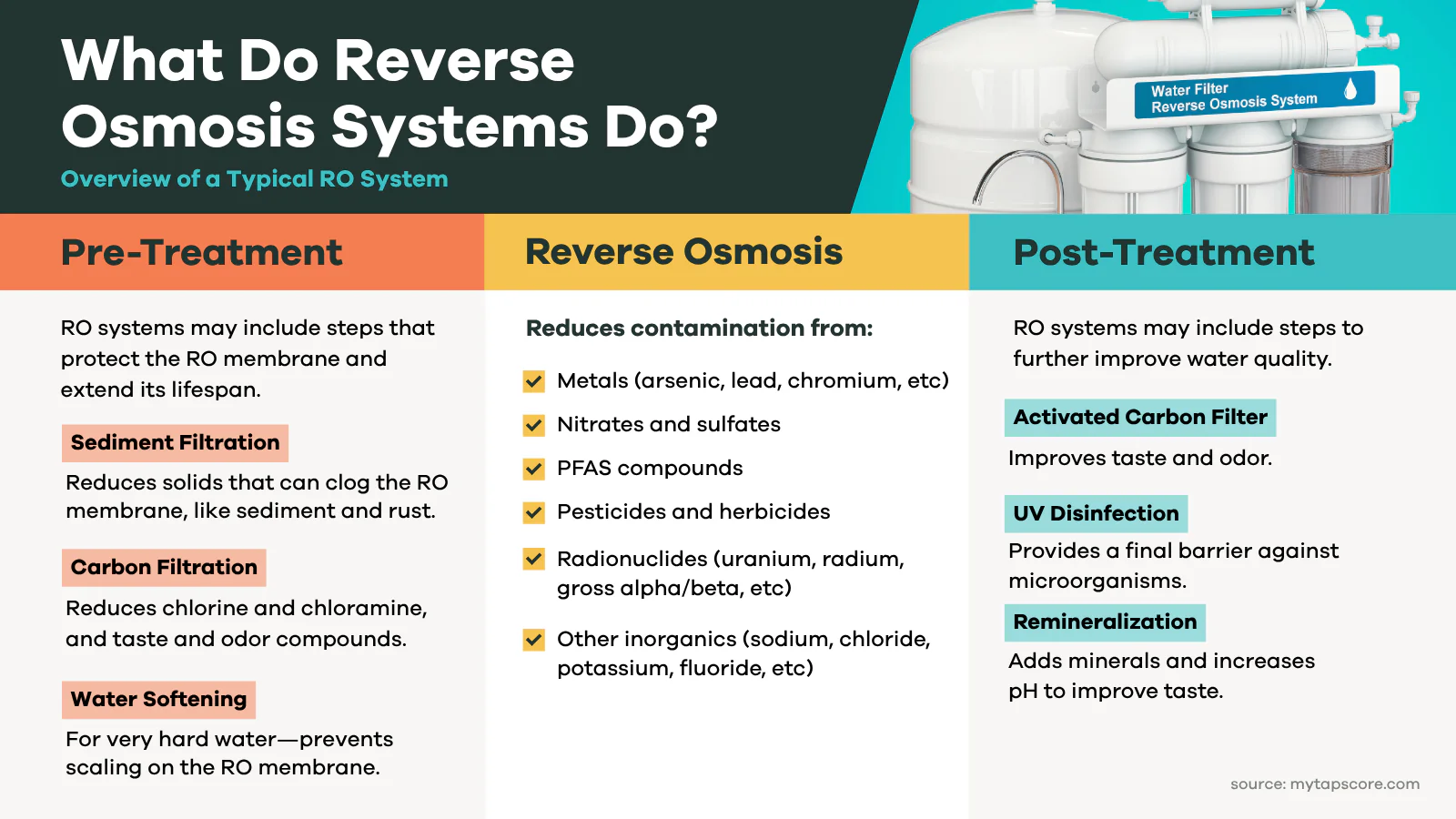
The reverse osmosis device mainly consists of a high-pressure pump, a high-pressure pump outlet gate valve (manual or electric), a high and low pressure protection switch, an inlet flow meter (optional), a produced water flow meter, a concentrate flow meter, a produced water conductivity meter, a membrane assembly (pressure vessel, reverse osmosis membrane element), a concentrate electric valve, a concentrate shut-off valve, an inlet pressure gauge, an inter-stage pressure gauge, Brine pressure gauge, product water pressure gauge, reverse osmosis bracket, reverse osmosis control panel, reverse osmosis sampling panel, bursting membrane and corresponding pipes, clamps, elbows, etc.
12. What instruments and meters must be used in the reverse osmosis system?
The necessary instruments and meters in the reverse osmosis system are:
1) Pollution index meter: used to measure the SDI index of the system pretreatment.
2) Brine flow meter: used to measure the flow rate of the system's brine, and used in conjunction with the product water flow meter to determine the system recovery rate.
3) Product water flow meter: used to measure the flow rate of the system's product water. Product water conductivity meter: used to measure the water quality (conductivity) of the system's product water.
4) Pressure gauge: measures the system's inlet water pressure, inter-stage pressure, brine pressure, and product water pressure.
5) Inlet water flow meter: used to measure the system's total inlet water flow.
6) Thermometer: used to measure the system's operating temperature.
7) Inlet water pH meter: used to measure the system's inlet water pH
8) Influent conductivity meter: used to measure the conductivity of the system influent, and used in conjunction with the product water conductivity to determine the system desalination rate.
9) Redox meter: used to measure the amount of oxidizing substances in the system influent to determine the degree of threat to the system safety.
10) High and low pressure protection switch: used to protect the system from operating under low pressure (insufficient water supply) and high pressure conditions. A reverse osmosis system is relatively complex, and the instruments used are determined by the process requirements and the user's investment situation. A normal reverse osmosis system only needs a product water flow meter, a concentrate flow meter, a product water conductivity meter, a pressure gauge, and high and low pressure protection.
13. What are the components of the electrodialysis device? What are the characteristics and functions of each component?
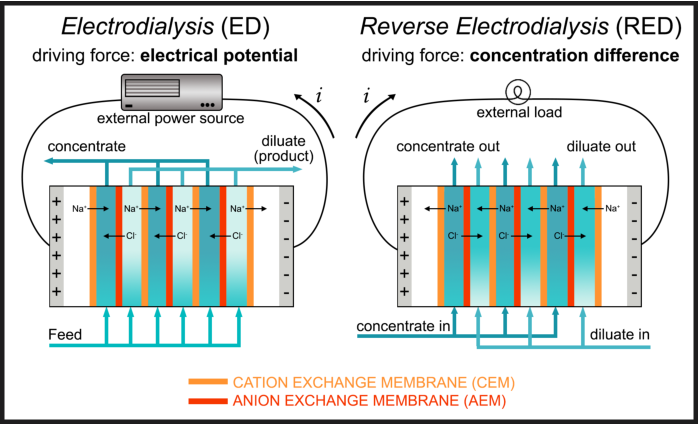
The electrodialysis device is composed of several parts, anion membrane, cation membrane, partition, electrode, clamping device, leak-proof rubber plate, pickling system, flow meter, pressure gauge, ABS Pipes and fittings, valves, and thyristor rectifier cabinets.The selective permeability of the anion membrane and the cation membrane to ions in water allows the system to separate concentrated water, fresh water, and polar water, which is the desalination part of the device. The main material of the partition is polypropylene, which supports the anion membrane and forms a concentrated and fresh water chamber with it. The electrode mainly forms the electric field required by the ion exchange membrane. The electrode consists of a water distribution head, a porous plate, and PVC. The clamping device is mainly used to fix the anion and cation exchange membrane, electrodes, partitions, etc. to form a whole. The leak-proof rubber plate is between the electrode and the partition, and plays a role in preventing the system from leaking at the electrode side. The pickling system is an indispensable part of the entire device. When the electrodialysis device produces abnormal phenomena such as a decrease in desalination rate, a decrease in water production, and an increase in operating pressure, it should be determined what the cause of the system is, such as scaling, inorganic fouling, organic fouling, etc., and appropriate chemical agents should be used for chemical cleaning. The thyristor rectifier cabinet is the energy feed part of the device. It rectifies the industrial frequency alternating current into a DC voltage with adjustable voltage through the thyristor rectifier device, and applies it to the electrode to form a DC electric field in the membrane stack to pull the anions and cations in the solution to produce directional movement. The main parameters of the thyristor rectifier cabinet are: rectifier voltage, operating current and rectifier power. Flow meter, pressure gauge, ABS pipe Pipe fittings and valves are ancillary accessories of electrodialysis, which play a role in displaying various operating parameters of the electrodialysis device, connecting the water chamber, and switching the direction of the water flow.
14. What are the advantages and disadvantages of electrodialysis?
The disadvantages of electrodialysis are: low energy consumption and small floor space. Simple operation and low noise. The effluent water quality is stable and there is no phase change during the desalination process. Little environmental pollution. The applicable range is 200-40000mg/h. The disadvantage of electrodialysis is that the installation is more complicated. The desalination effect is less complete and is generally 75%. Low water recovery rates are typically 50%.
15. What is the desalination principle of electrodialysis? The anion and cation exchange membranes in the electrodialysis device have permselectivity. When the ions in the solution move directionally under the action of an electric field, the permselectivity of the anion and cation exchange membranes is used to permeate or not permeate the corresponding exchange membranes to form concentrated water or fresh water in different water chambers.
16. What is the approximate distribution ratio of concentrated, light and extreme water in electrodialysis? The distribution ratio of concentrated water, fresh water and polar water in the electrodialysis device is roughly 4:4:2, so it is very meaningful to take measures to save electrode water in the electrodialysis desalination system; common measures to save electrode water include using part of the concentrated water as electrode water and then discharging it or using electrode water circulation; the specific method of the electrode water circulation system is to use softened water or desalted water + NaCL solution as electrode water circulation.
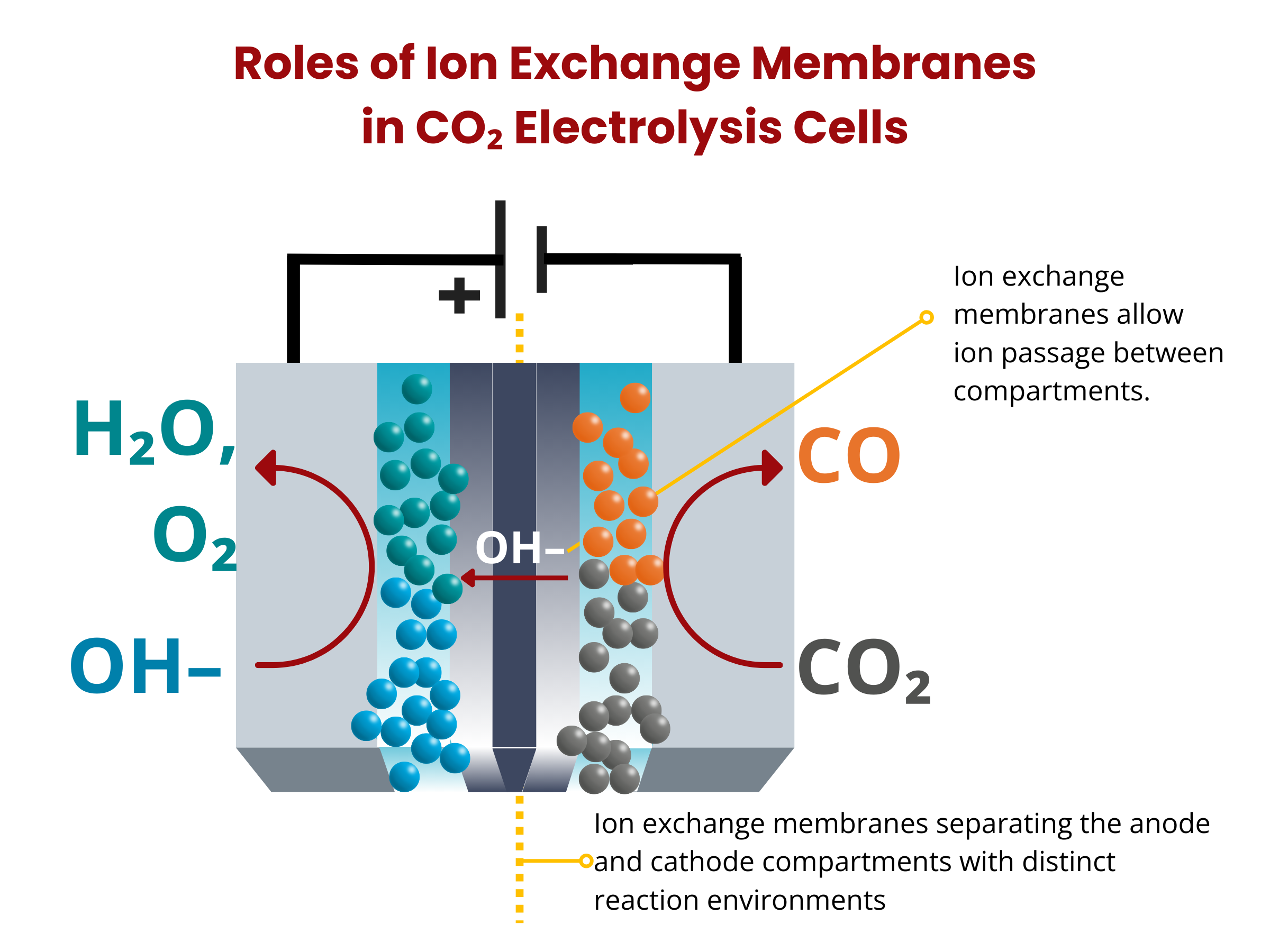 17. How to choose a good cation-cation heterogeneous ion exchange membrane?
A high-quality heterogeneous ion exchange membrane must have the following characteristics:
1) Strong permselectivity. Permselectivity is the main indicator for measuring membrane performance. It directly affects the current efficiency and desalination effect of the electrodialyzer. Its permselectivity is greater than 85%.
2) Low membrane resistance. The electrodialyzer is composed of hundreds of pairs of ion exchange membranes, so the membrane resistance accounts for a large proportion of the total resistance. If the resistance is low, the operating voltage is low and the current efficiency is high.
3) Strong chemical stability. During the migration of anions and cations, a highly concentrated ion solution will be formed in the concentrated water chamber; when polarization occurs, the pH of the retention layer on both sides of the membrane The value will also change, especially when the polar water participates in the chemical reaction to produce highly oxidizing oxygen and chlorine. Therefore, the membrane must have strong chemical stability to extend the service life of the electrodialyzer.
4) Strong mechanical strength and dimensional stability.
5) Lower diffusion performance.
6) It has a high removal effect on strong electrolytes.
18. What materials are the electrodes of electrodialysis made of? What are the specifications? What are the advantages and disadvantages of each?
There are several types of electrodialysis electrodes: titanium-plated platinum electrodes, titanium-coated ruthenium electrodes, graphite electrodes, and stainless steel electrodes; the electrodes vary according to the size of the electrodialysis body. Common engineering electrode specifications are: 800×1600mm, 400×1600mm, 400×800mm, 340×640mm Etc. Different electrode materials have different characteristics:
1) Titanium-plated platinum electrode: It has very good corrosion resistance and can be used under very harsh conditions, but platinum is expensive and its resources are scarce, which limits its promotion in China.
2) Titanium-coated ruthenium electrode: A compound of ruthenium (Ru), iridium (Ir), and titanium (Ti) is coated on a titanium substrate, and its mixed oxide is formed after high-temperature treatment; since the ionic radius of ruthenium (Ru), iridium (Ir), and titanium (Ti) are very close, the lattice structure and space group belong to the same type, a solid solution of RuO2-IrO2-TiO2 can be formed during the co-oxidation during heat treatment, which has excellent corrosion resistance and is very suitable as an electrode material.
3) Graphite electrode: Graphite electrodes are easily corroded, and the main reasons are chemical corrosion and mechanical wear; when graphite is used as an anode, due to anodic oxidation, graphite is oxidized to CO2 or CO, which destroys its crystal structure and damages it; in electrodialysis devices, graphite electrode loss is mainly caused by mechanical action. The high-flow rate of polar water has a strong scouring effect on graphite. On the other hand, the gas produced by the electrode reaction has an impact on the graphite. Coupled with electrochemical corrosion, it often causes graphite particles to peel off, polluting the water quality and even blocking the polar water channel; with the emergence of titanium-coated ruthenium electrodes, graphite electrodes have been gradually eliminated.
4) Stainless steel electrodes: Generally speaking, stainless steel is only used as a cathode and cannot be used as an anode. Otherwise, because natural water contains a lot of chloride ions, the stainless steel anode will dissolve to generate divalent iron, nickel and chromium ions. The correct selection of electrode materials is of great significance to extending the service life of the electrode, reducing system investment and operating costs. Electrodes of different materials can be used for different water qualities: 1) For natural water with chloride as the main component, titanium-coated ruthenium electrodes can be used first. 2) For natural water with sulfate as the main component, lead plates, stainless steel, and titanium-coated ruthenium electrodes can be used first. 3) For natural water with calcium bicarbonate as the main component, stainless steel and titanium-coated ruthenium electrodes can be used preferentially. 4) For natural water with mixed ions, titanium-coated ruthenium, graphite and titanium-coated platinum electrodes can be used preferentially.
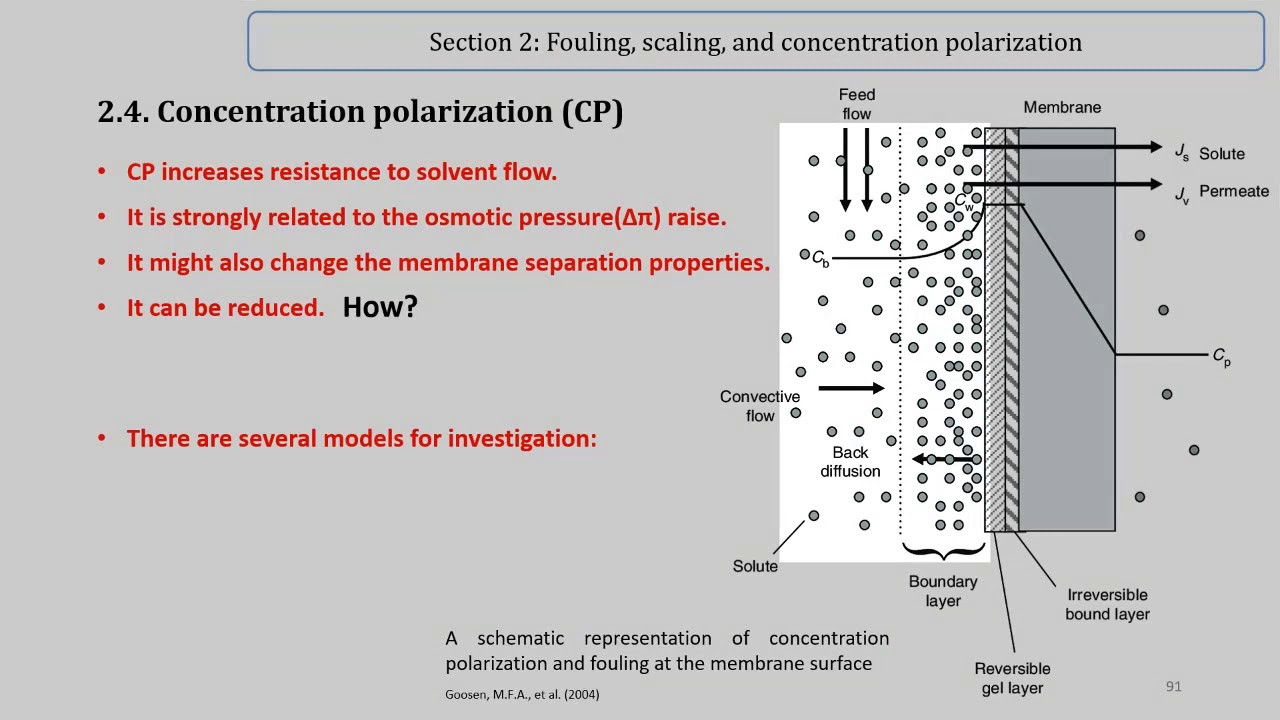 19. What is the concentration polarization phenomenon in electrodialysis? What are the hazards of concentration polarization?
When the working current of electrodialysis exceeds the limiting current, water electrolysis occurs at the interface between the anion exchange membrane and fresh water, generating H+ and OH- ions. When these ions participate in the transfer of charge, polarization occurs. In short, the hazard of polarization is that a kind of electrical energy is consumed in electrolyzing water that is not related to desalination, thus resulting in a waste of electrical energy. In addition, after the OH- ions enter the concentrated water chamber, they react with CO32- and CaCO3 Scale degrades the performance of the membrane and electrodialysis. During polarization, the concentration of electrolyte ions on the membrane surface of the desalination chamber is much lower than that of the main solution, resulting in a very high polarization potential. However, the concentration on the membrane surface of the concentrate chamber is much higher than that of the main solution, causing ions in the water that are prone to precipitate to precipitate on the membrane surface. As a result, the apparent resistance of the membrane increases significantly, the current density decreases, and the desalination rate decreases. The current efficiency decreases because a large part of the current is consumed in the electrolysis of water to produce H+ and OH- ions to replace the consumed counterions to transfer charge. If the anionic membrane polarizes first, the H+ ions produced by water dissociation in the desalination chamber pass through the cation membrane into the concentrate chamber, making the desalination chamber membrane alkaline and easily causing Ca2+, Mg2+ ions, and CO32- to form CaCO3 precipitates. If the cation membrane polarizes first, the OH- ions produced by water dissociation in the desalination chamber pass through the anionic membrane into the concentrate chamber, making the Ca2+ and Mg2+ ions blocked by the anionic membrane more likely to form scale. Precipitation on the membrane surface not only increases membrane resistance, significantly increases power consumption per unit of water produced, and increases flow resistance, but also corrodes the ion exchange membrane due to changes in solution pH, shortening its service life.
20. How are the desalination chamber, concentrate chamber, and cathode chamber distinguished?
A: A cation membrane, a separator, and a cathodic membrane form a membrane pair. A water chamber is formed between the cation and the cathode membranes. Under the action of an electric field, ions in the water chamber undergo directional movement. When ions in the water chamber leave the chamber due to traction and the membrane's selective permeability, the chamber is called a fresh water chamber. Conversely, when ions enter the chamber due to traction and the membrane's selective permeability, the chamber is called a concentrate chamber. The chamber formed between the cation membrane, the cathode membrane, or the separator and the electrodes is called an electrode chamber.
21. How is the frequent automatic reversal system for concentrated water circulation implemented? What is its significance? In the current water treatment industry, the frequent automatic reversal system for concentrated water circulation uses a programmable controller as its core control function and the system's water production process operating time as its control function. It utilizes electric or pneumatic straight-through valves and three-way valves to regularly switch the flow direction of concentrated and fresh water, ensuring that fresh water always flows into the production water tank and concentrated water is permanently discharged into the concentrated water circulation tank. In today's increasingly scarce water resources, a system with frequent automatic reversal of concentrated water circulation has far-reaching significance. First, this system offers a high water recovery rate of up to 80% (depending on the influent water quality), significantly saving water in some large-scale water treatment systems. Second, this system is relatively inexpensive and requires minimal influent water quality, making it easily deployable. This makes it particularly competitive in water treatment projects for enterprises or mines that demand higher recovery rates but cannot afford significant capital investment.
22. What types of pumps are required for water treatment system projects? How should pumps from different manufacturers be selected?
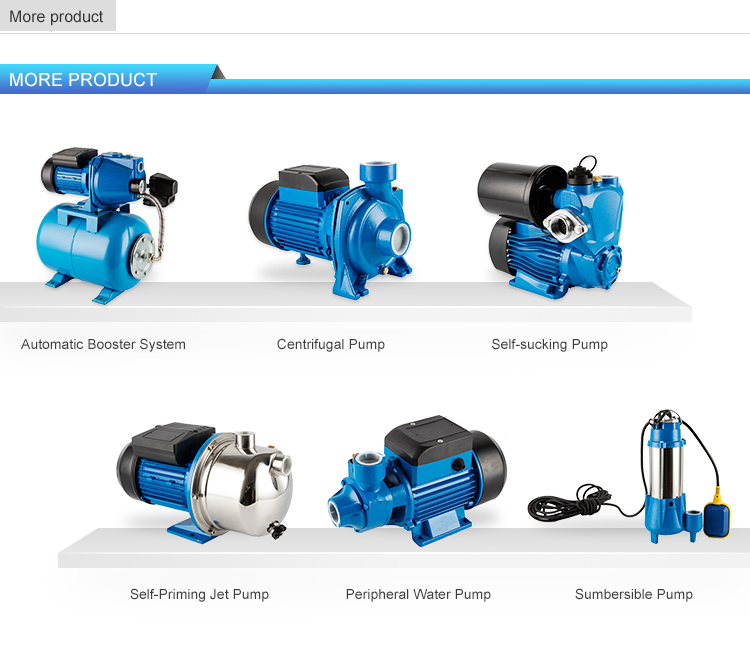
Water treatment system projects generally require standard pumps, booster pumps, and corrosion-resistant pumps. Standard pumps generally use IS-type cast iron pumps; booster pumps generally use stainless steel pumps, such as imported high-pressure pumps from Denmark's Grundfos (depending on the specific situation); and corrosion-resistant pumps generally use IH-type chemical pumps or engineering plastic pumps. Pump models vary from manufacturer to manufacturer. First, select the pump flow rate based on the system's process requirements. Second, select the pump head based on process requirements (1 kg approximately equals 10 meters of head, 1 MPa approximately equals 10 kg). Third, select the pump material (primarily the material of the pump head) based on process requirements. Finally, consider the power consumption of various pumps to select a pump that meets process requirements while saving system energy.
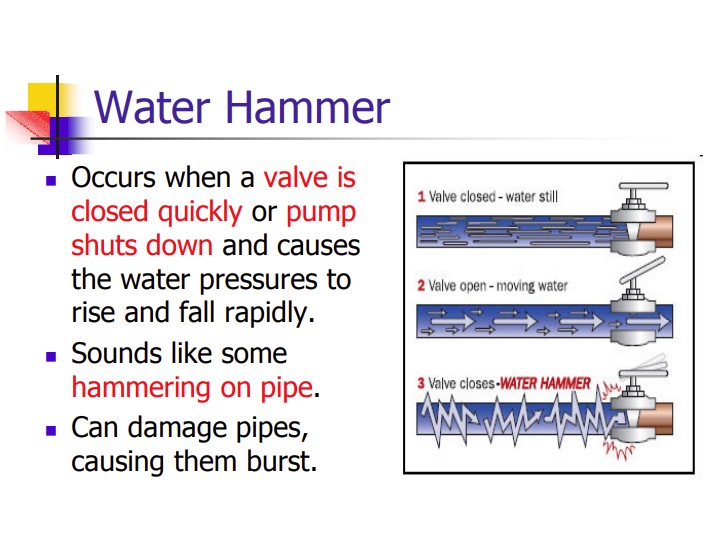
23. What is water hammer? How can it be addressed?
Water hammer occurs when air is mixed in the pressure vessel. When the device is started, the air is not removed. This causes violent vibrations as the high-pressure water mixed with air moves into the vessel. In severe cases, this can shatter the membrane elements, causing irreversible damage. With the principle of "prevention first, prevention first," preventing water hammer is crucial. Common measures include:
1) Using soft starting methods for high-pressure pumps to prevent this, such as reduced-voltage starting, variable-frequency speed control starting, or starting with a series resistor with an automatic controller.
2) Avoid this through operational methods, such as closing or reducing the inlet valve during startup, then slowly opening the valve until the system operating pressure is reached.
3) Avoid this through control, such as using a PLC to control an electric slow-opening valve to open the valve over a period of tens of seconds.
4) Avoid this through installation techniques, such as installing a return line at the brine discharge outlet so that its highest point exceeds the highest pressure vessel in the reverse osmosis unit. This ensures that the pressure vessel will be filled with water when the unit is shut down. The above measures are commonly used in engineering applications and can be adopted in combination or as needed depending on the specific situation. It is important to note that point 4 is mandatory in all projects.
 24. Why must the reverse osmosis brine discharge pipe be slightly higher than the unit?
 The concentrate discharge valve is always open during reverse osmosis operation. However, if the highest point of the discharge pipe is lower than the highest point of the pressure vessel when the reverse osmosis unit is shut down, a "siphon" phenomenon will occur. Water in the pressure vessel will flow out of the reverse osmosis unit through the concentrate discharge pipe due to its own weight, mixing air into the pressure vessel. This can easily cause water hammer. Furthermore, during shutdown, the oxygen in the air can cause some degree of oxidation on the reverse osmosis membrane elements, shortening their service life.
25. What are the water inlet specifications for electrodialysis and reverse osmosis?
The inlet water specifications for electrodialysis are: Temperature range: 4-40°C; Iron and manganese content: Fe ≤ 0.3 mg/l, Mn ≤ 0.1 mg/l; Turbidity: less than 0.3 mg/l (for 0.9 mm thick separators); SDI approximately equal to 0; Free chlorine: CL ≤ 0.3 mg-0.5 mg/l; The inlet water specifications for reverse osmosis are: Iron content: Fe ≤ 1 mg/l; Free chlorine: CL ≤ 0.1 mg; SDI: less than 4; Temperature range: 5-45°C; Turbidity: less than 1 NTU.
26.What are the inlet and outlet water specifications for mechanical filters, iron and manganese removal filters, and carbon dioxide removal devices?
Answer: For mechanical filters, the inlet suspended solids content is ≤ 20 mg/l, and the outlet suspended solids is ≤ 5 mg/l. For iron and manganese removal filters, the inlet iron content is ≤ 30 mg/l, and the outlet iron content is ≤ 0.3 mg/l. The CO2 content in the inlet water of the CO2 remover should be ≤330 mg/l, and the CO2 content in the outlet water should be ≤5 mg/l.
27. How can concentration polarization be controlled?
1) Strictly control the operating current to ensure that the electrodialysis system operates below the limiting current density.
2) Enhance the transfer process within the electrodialysis compartment, such as by using screens with enhanced turbulence and high-temperature electrodialysis.
3) Eliminate precipitation caused by concentration polarization through regular acid cleaning, the addition of antiscalant agents, and electrode reversal.
4) Appropriate pretreatment can be used to improve the system's inlet water quality.
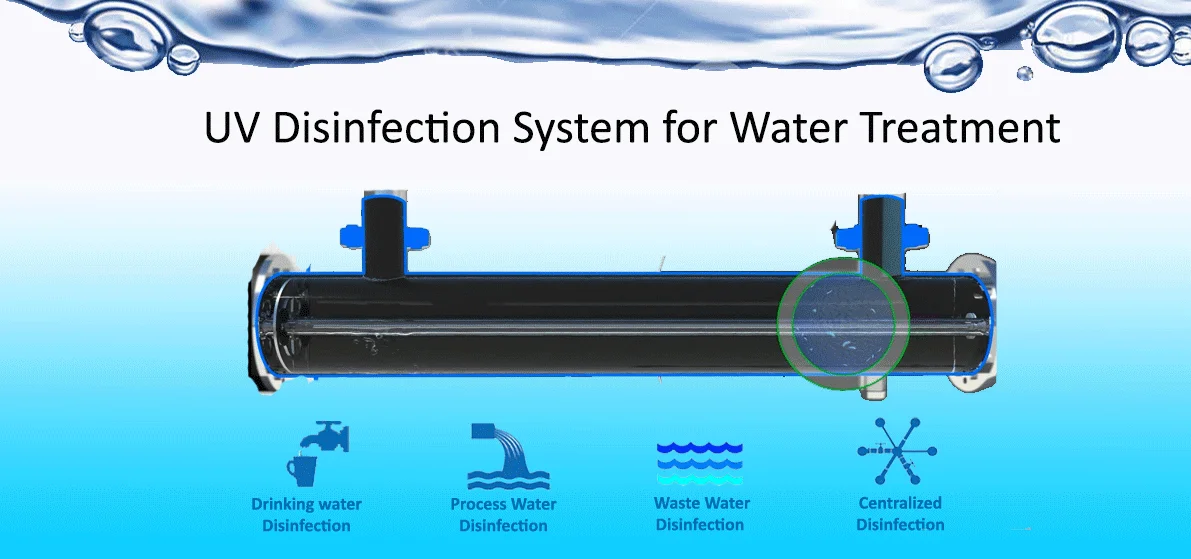 28. What are the characteristics of a UV sterilizer?
UV sterilizers have the following characteristics:
1) Ultraviolet light sterilizes quickly, efficiently, and effectively.
2) Ultraviolet light does not alter the physical or chemical properties of water and does not introduce contaminants into the pure water.
3) It can be used with a variety of water flow rates and is simple and convenient to operate, requiring only regular cleaning of the quartz glass tube sleeve.
4) It is compact and lightweight, consumes little power, and has a long lifespan.
2
9. What factors and precautions affect the effectiveness of UV sterilizers?
Factors affecting UV sterilization effectiveness include UV intensity, UV spectrum wavelength, and exposure time. When using a UV sterilizer, the following precautions should be taken:
1) Installation location: The closer the UV lamp is to the point of use, the better. However, space should be left for inserting and removing the quartz tube sleeve from one end and replacing the lamp.
2) Flow rate: Within the same sterilizer, when the UV radiation energy remains constant and the bacterial content in the water remains stable, the water flow rate through the sterilizer significantly affects the sterilization effectiveness.
3) Water physicochemical properties: Water color, turbidity, and total iron content all absorb UV radiation to varying degrees, resulting in reduced sterilization effectiveness.
4) Lamp wattage: The lamp ignition power significantly affects sterilization efficiency.
5) Temperature of the medium surrounding the lamp: The UV lamp's spectral energy is related to the temperature of the lamp wall.
6) Quartz tube sleeve: The quality and thickness of the appropriate tube sleeve are related to the UV transmittance. High-purity quartz tube sleeves offer excellent efficiency.
7) Water layer thickness: The thickness of the water layer has a significant impact on sterilization effectiveness.
 30. What are the characteristics of ozone sterilizers?
 Ozone is one of the most effective disinfectants in water treatment, rivaled only by free chlorine in its bactericidal power. Advantages: The advantage of ozone disinfection lies in its high bactericidal efficiency, making it the most effective disinfectant to date, even against highly resistant microorganisms such as viruses and cysts. It can reduce the odor, taste, and color of feed water, and upon decomposition, the only remaining substance is dissolved oxygen. Furthermore, ozone's bactericidal ability is unaffected by pH fluctuations and ammonia. Disadvantages: Ozone disinfection also has disadvantages, as it requires electricity to generate ozone and cannot be stored. This makes it difficult to adjust ozone requirements in response to changes in water quality and quantity. Experience has shown that ozone is most suitable for water plants with low and stable water consumption. Furthermore, although ozone is a strong oxidant, its oxidizing power is selective and does not oxidize universally. Substances that are easily oxidized, such as ethanol, are not easily reacted with ozone.
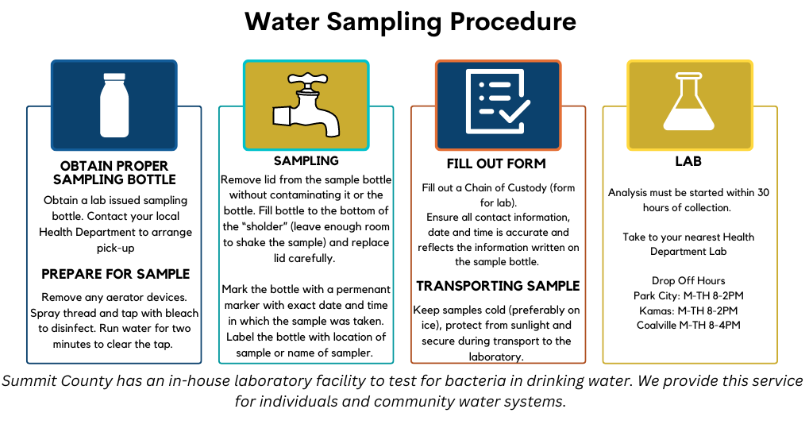 31. What should be considered when collecting water samples for water quality analysis?
The following points should be considered when collecting water samples for water quality analysis:
1) The sample should be representative, meaning that the sample represents the quality of the entire water body.
2) The quality of the sample should remain stable or show no significant change between collection and analysis. The sample volume should be 4-5 times the required sample volume for the test item to ensure sufficient sample volume for repeated analysis and retesting. The minimum sample volume should be based on the accuracy and precision requirements of the analysis.
3) The contact time between the water sample and the sampling equipment should be minimized. The sample flow should be conducted at a high linear flow rate through the pipeline. If intermediate flow paths such as connecting pipes and valves are required, special attention should be paid to contamination of these intermediate links. The materials and cleaning requirements should be consistent with those of the containers used.
4) For on-site testing of parameters such as pH, dissolved oxygen, alkalinity, CO2, ferrous iron, ammoniacal nitrogen, and residual chlorine, the time interval between sampling and analysis should be minimized, and online analysis and testing should be used whenever possible.
5) Records of sampling should be kept and labels should be affixed to the sampling containers, indicating the sampling name, time, location, temperature, sampling volume, sampling container and sampler, etc.