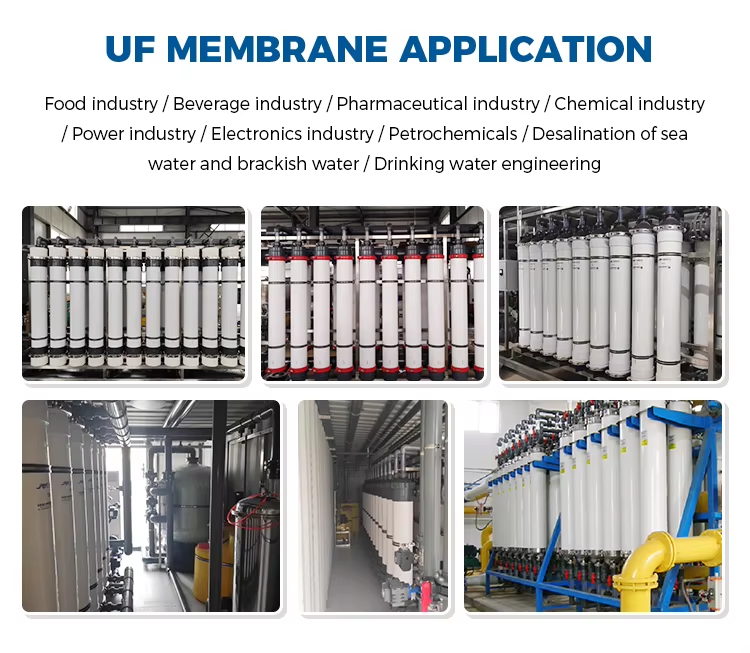
Ultrafiltration technology finds mature applications across numerous light industrial sectors including food,beverages,alcoholic drinks,potable water supply,rural water improvement,and electronics
Ultrafiltration represents a novel membrane separation technology. Among all membrane separation methods—including microfiltration, ultrafiltration, reverse osmosis, osmosis, electrodialysis, and gas membrane separation—ultrafiltration enjoys the most extensive application and is the most mature.
Ultrafiltration technology finds mature applications across numerous light industrial sectors including food, beverages, alcoholic drinks, pharmaceuticals, textiles, printing and dyeing, surface coating (electrophoretic paint), papermaking, potable water supply, rural water improvement, and electronics. Examples encompass: purification of water for food and beverage production, clarification of finished products, removal of colloids from various production waters, reduction of turbidity and suspended solids, lowering of SDI values, elimination of bacteria and viruses, removal of humic acids and other macromolecular organic compounds such as humus, reduction of COD and BOD, lowering of colour and oil content, and recovery of useful substances from wastewater.
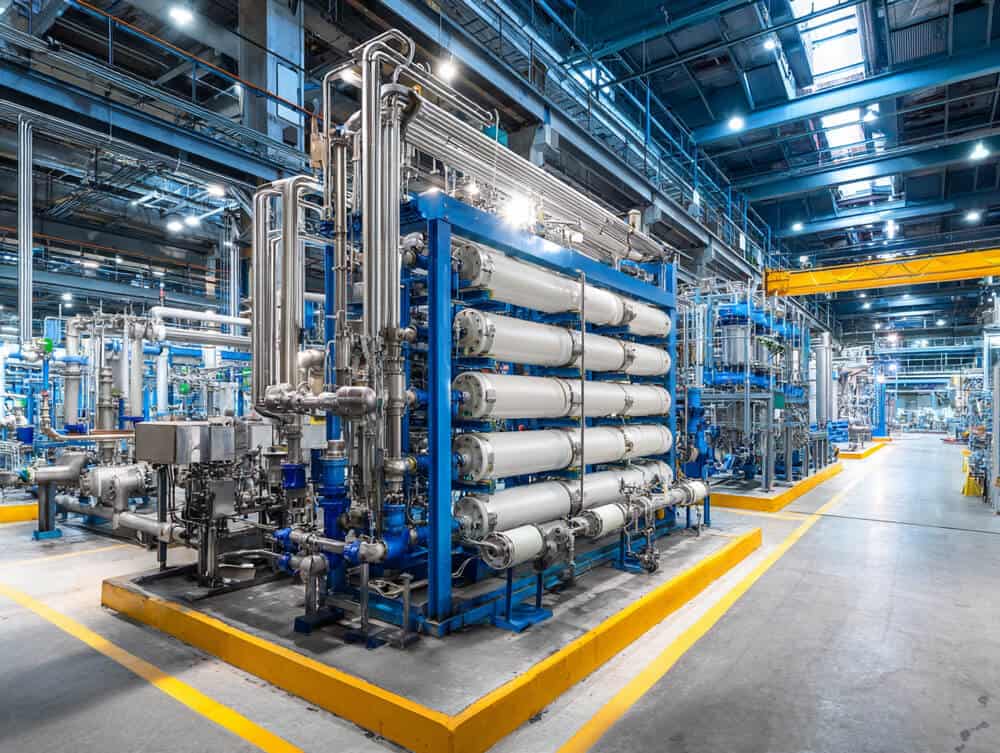 Applications of Ultrafiltration in Drinking Water (Tap Water)
National attention to drinking water as a vital public welfare project has been exceptionally high in recent years, with substantial policy support. Beyond urban tap water, this encompasses rural drinking water provision. Rural water improvement initiatives are driven by dedicated policies from central to local government. Employing ultrafiltration to address safe drinking water in rural areas delivers bacteria-free, microorganism-free, and impurity-free drinking water. It offers distinct advantages including low equipment investment costs, straightforward automation implementation, and stable product water quality.
Applications of Ultrafiltration in the Food Industry1. Juice and Beverage Sector
Since the 1980s, ultrafiltration and other membrane separation technologies have been employed internationally in the production and processing of fruit and vegetable juices—including apple, orange, pear, grape, lemon, and tomato juice—to achieve sterilisation, clarification, and concentration. Compared to traditional methods, this process offers distinct advantages: reduced operational and labour costs; preservation of aromatic and fat-soluble components, yielding a flavour profile closer to fresh produce and thereby enhancing product quality; removal of microorganisms and excess enzymes, facilitating long-term storage without precipitation; and greater operational reliability through automated control, resulting in more consistent product quality. Ultrafiltration technology is now also applied domestically in producing novel fruit and vegetable juice beverages.
Reports indicate that clarified juices produced via ultrafiltration demonstrate markedly superior quality compared to other methods, whilst also incurring lower processing costs. It has been observed that after ultrafiltration treatment, watermelon juice retains over 90% of its primary nutrients: sugars, organic acids, and vitamin C. Furthermore, ultrafiltration possesses sterilising effects; when applied to raw watermelon juice, its sterilisation efficacy is highly pronounced, achieving a sterilisation rate exceeding 99.9%. Consequently, even without pasteurisation, the juice meets national hygiene standards for beverage foods.
2. Application of Ultrafiltration in Tea Beverage Processing
Tea, with its distinctive aroma, flavour profile, and diverse health benefits, has become the world's second most consumed beverage following water. Compared to traditional tea clarification methods (such as low-temperature precipitation and adsorption removal, ion chelation, trans-solubilisation, precipitant addition, and oxidation), ultrafiltration is a purely physical process requiring no external additives, which is highly advantageous in the food industry. Furthermore, ultrafiltration technology maximises the retention of beneficial components in tea—such as tea polyphenols, amino acids, and caffeine. It has minimal impact on colour, aroma, and flavour, while substantially preserving the flavour compounds of black tea. Furthermore, as ultrafiltration operates at temperatures between 20–30°C using pressure as the driving force, it is particularly suitable for clarifying heat-sensitive tea leaves. Conducting ultrafiltration at low temperatures ensures prolonged quality stability of the tea. Tea polysaccharides constitute one of the key bioactive components in tea leaves, exhibiting pharmacological effects including hypoglycaemic action, anticoagulant properties, anti-thrombotic effects, tolerance to hypoxia, and enhancement of immune function. Research into these compounds is currently extensive and deeply explored.
3. Dairy Processing Industry
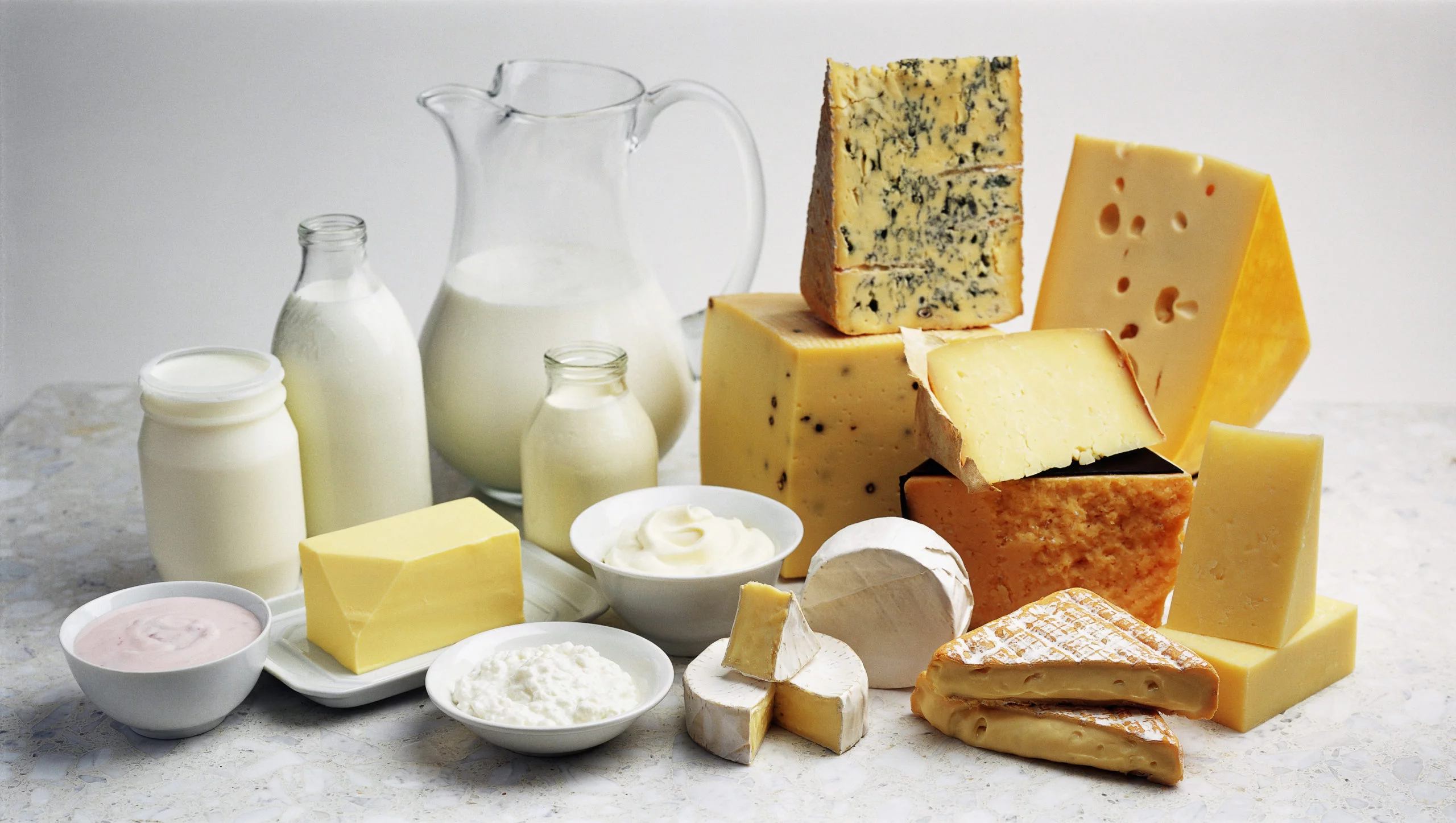
Currently, ultrafiltration technology is primarily applied in raw milk concentration, skimmed milk concentration, whey pre-concentration, raw milk refinement, protein and peptide separation, and the recovery of lactose, fat, and protein components from whey effluent produced during cheese manufacturing. It offers distinct advantages over traditional production methods, including energy savings, reduced protein denaturation, enhanced product quality, and the ability to extract multiple components from dairy products – features unmatched by conventional processing techniques. The most widely adopted process employs ultrafiltration for whey concentration and separation, yielding whey protein powder with protein content ranging from 35% to 85%. By continuously diluting the concentrate through complete filtration, whey protein powder with even higher protein content can be obtained. Furthermore, the integration of ultrafiltration and reverse osmosis enables simultaneous concentration of whey protein while removing lactose and ash from the permeate. This substantially broadens the application scope of full-dry whey. The introduction of ultrafiltration and reverse osmosis markedly enhances whey protein quality. Compared to products from conventional processes, protein content increases nearly fourfold, while lactose content decreases by approximately 40%.
4. Oil Industry
Applying ultrafiltration to degumming and decolourisation processes integrates these steps, eliminating multiple traditional operations. This substantially increases oil yield while reducing activated clay consumption, disposal costs, and losses from neutral fats absorbed by the clay. In processing oil by-products, such as preparing soy protein, ultrafiltration membranes can be employed to retain macromolecular proteins while allowing smaller molecules to pass through. For instance, using a polyamide membrane with a molecular weight cut-off of 20,000–30,000 to produce soybean protein concentrate achieves a protein retention rate of up to 95%. Following concentration, the protein recovery rate reaches 93.9%, surpassing that of the acid precipitation method. Concurrently, membrane separation technology yields soy protein isolate with superior solubility, foaming capacity, emulsifying properties, and oil absorption compared to traditional ‘alkaline solubilisation and acid precipitation’ methods.
5. Brewing Industry
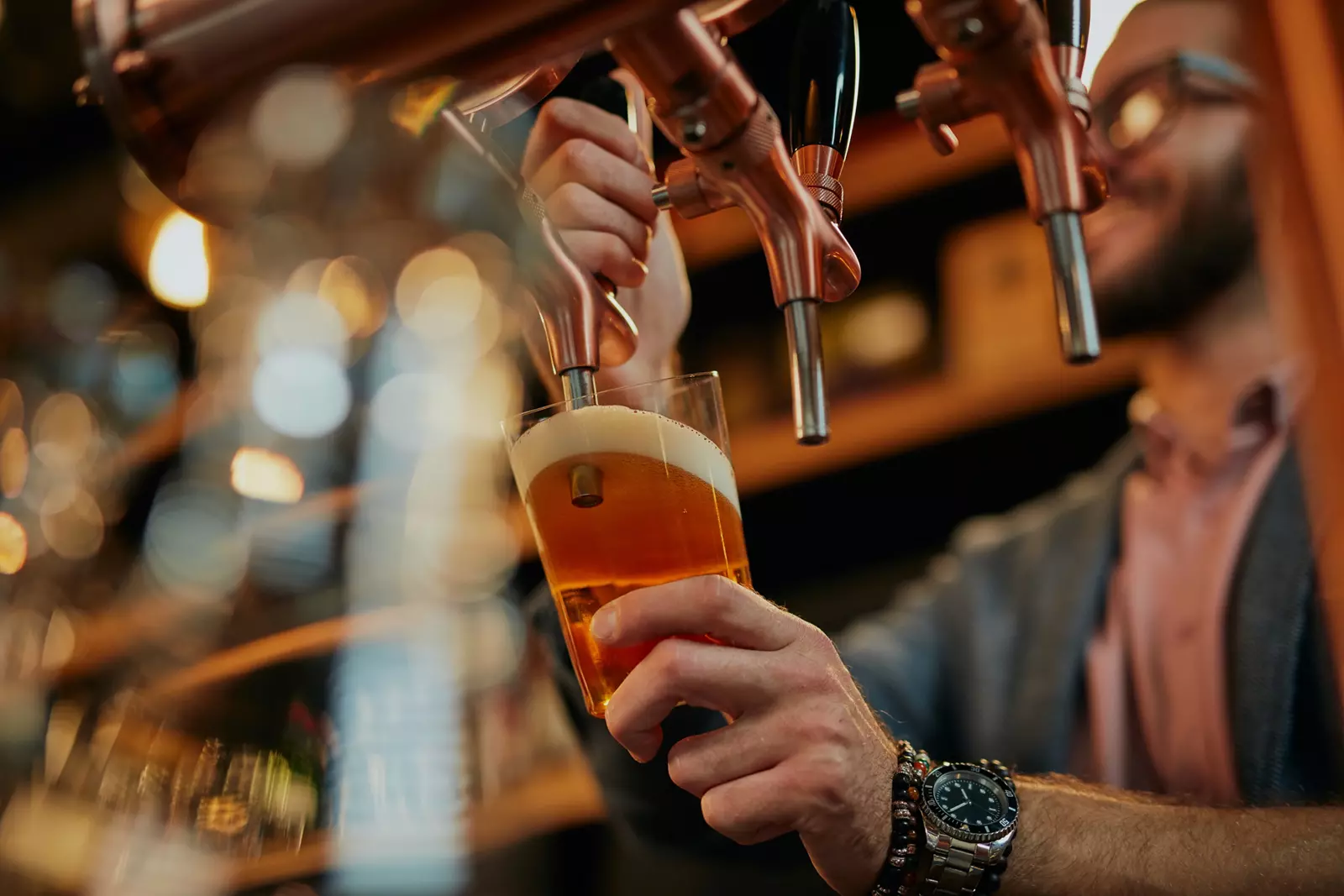
Baijiu often contains ethyl palmitate, and oils contain substances such as palmitic acid ethyl ester and linoleic acid ethyl ester. These are soluble in alcohol but insoluble in water. When alcohol concentration and temperature decrease, the solubility of these substances reduces, causing turbidity in baijiu and affecting product quality. These turbidity particles are small in size and light in specific gravity, making conventional methods ineffective. However, ultrafiltration separation can ensure baijiu quality [7]. Replacing centrifugal separation with ultrafiltration for wine purification yields clear wine without chemical additives while reducing ethanol content. Filtration is crucial in beer production to remove minute substances like yeast, proteins, and polyphenolic compounds, enhancing both biological and non-biological stability. Beer filtered through cotton cake or diatomaceous earth is termed unpasteurised beer, which develops cloudiness after one week's storage. Pasteurised beer generally maintains clarity for 60–90 days but lacks the superior taste profile of unpasteurised beer; ultrafiltration treatment simultaneously resolves both flavour and shelf-life issues. The corresponding processing technologies and techniques can be broadly categorised into two types: filtration processing methods and clarification additive processing methods.
III. Applications of Ultrafiltration in the Pharmaceutical IndustryApplication of Ultrafiltration in the Extraction and Purification of Traditional Chinese Medicine Components
In recent years, with the extensive adoption of ultrafiltration technology in the food industry, an increasing number of practitioners have become familiar with and proficient in this advantageous technique. Unsatisfied with its confinement to food applications, efforts have gradually expanded into other fields, such as the extraction and purification of chlorogenic acid from traditional Chinese medicine.
4. Application of Ultrafiltration in Large-Scale Industrial EnterprisesIn major industrial sectors such as petroleum, chemical plants, steelworks, power stations, and coal mines, ultrafiltration has achieved considerable maturity. Its applications range from early integration with existing water treatment systems to produce qualified pure water (e.g., boiler feedwater for power plants and steel mills), through purification and recirculation of process water in industrial production (e.g., condensate, cooling water, circulating water, chemical process water), to the treatment and reuse of industrial wastewater and sewage (e.g., wastewater reuse at Taiyuan Iron and Steel, reinjection water in oilfields). Within major industrial sectors, ultrafiltration has permeated liquid handling across diverse process stages.
5. Applications in Reclaimed Water, Sewage, and Wastewater Treatment1. In industrial wastewater treatment, ultrafiltration technology can recover coatings from electrophoretic painting effluents. It is now extensively deployed on automated electrophoretic painting production lines worldwide.
2. For municipal sewage treatment, ultrafiltration technology has been applied to both urban and domestic wastewater systems. In newly constructed residential buildings housing over 500 households, small-scale water recycling may be achievable—where treated domestic sewage undergoes ultrafiltration for flushing toilets, potentially reducing household water consumption by 40%.
3. Regarding seawater desalination, constrained by the reality of China's seawater pollution...
III. Applications of Ultrafiltration in the Pharmaceutical Industry
Application of Ultrafiltration in the Extraction and Purification of Traditional Chinese Medicine Components
In recent years, with the extensive adoption of ultrafiltration technology in the food industry, an increasing number of practitioners have become familiar with and proficient in this highly advantageous technique. No longer content with its application solely in food processing, efforts have gradually expanded to explore its use in other fields, such as the extraction and purification of chlorogenic acid from traditional Chinese medicine.
4. Application of Ultrafiltration in Large-Scale Industrial Enterprises
In major industrial sectors such as petroleum, chemical plants, steelworks, power stations, and coal mines, ultrafiltration has achieved considerable maturity. Its applications range from early integration with existing water treatment systems to produce qualified pure water (e.g., boiler feedwater for power plants and steel mills), through purification and recirculation of process water in industrial production (e.g., condensate, cooling water, circulating water, chemical process water), to the treatment and reuse of industrial wastewater and sewage (e.g., wastewater reuse at Taiyuan Iron and Steel, reinjection water in oilfields). Within major industrial sectors, ultrafiltration has permeated liquid handling across diverse process stages.
5. Applications in Reclaimed Water, Sewage, and Wastewater Treatment
1. In industrial wastewater treatment, ultrafiltration technology can recover coatings from electrophoretic painting effluents and is now widely deployed on automated electrophoretic painting production lines globally.
2. For municipal sewage treatment, ultrafiltration technology is employed in both urban and domestic wastewater processing. In newly constructed large residential buildings housing over 500 households, small-scale water recycling systems may be implemented. This involves using ultrafiltration-treated domestic wastewater for flushing toilets, potentially reducing household water consumption by 40%.
3. Regarding seawater desalination, while large-scale implementation faces constraints due to China's actual seawater pollution conditions, significant progress is being made. Primarily, ultrafiltration membranes are utilised in pre-treatment to ensure the normal service life of reverse osmosis (RO) membranes.